On this page 16
- Quick Overview: Daymaniyat vs Maldives at a Glance
- Why Visit the Daymaniyat Islands?
- Why Visit the Maldives?
- Snorkeling Comparison: Where the Real Magic Happens
- Beaches: Sand, Solitude, and Scenery
- Best Time to Visit
- How to Get There
- Accommodation Options
- Food & Local Cuisine
- Travel Costs & Budget Breakdown
- Safety Tips
- Sample 5-Day Itinerary
- Local Culture & Etiquette
- Hidden Gems
- Frequently Asked Questions
- Conclusion
Picture this: crystal-clear turquoise water, coral reefs teeming with life, powder-soft sand beneath your feet, and the warm Indian Ocean breeze doing exactly what it’s supposed to, making every worry dissolve.
Now here’s the question most travelers don’t think to ask: does that dream have to cost a fortune? Or is there a hidden gem sitting quietly in the Arabian Sea, offering nearly the same magic at a fraction of the price?
That’s exactly the debate at the heart of Daymaniyat Islands vs. the Maldives, two very different destinations, both capable of delivering world-class snorkeling and unforgettable beach holidays. One is globally famous. The other is Oman’s best-kept secret.
We know both well, and the comparison holds some real surprises.
Quick Overview: Daymaniyat vs Maldives at a Glance
|
Feature |
Daymaniyat Islands (Oman) |
Maldives |
|
Location |
Arabian Sea, off Muscat, Oman |
Indian Ocean, south of India |
|
Type |
Nature Reserve (9 islands) |
1,192 coral islands |
|
Best For |
Budget snorkelers, day-trippers, eco-travelers |
Luxury honeymoons, diving, overwater villas |
|
Avg. Daily Cost |
$50–$120/person |
$200–$1,000+/person |
|
Snorkeling Quality |
Excellent (sea turtles, reef fish) |
World-class (manta rays, whale sharks) |
|
Crowds |
Low to moderate |
High (popular resorts) |
|
Best Season |
October–April |
November–April |
|
Visa Required |
Oman e-visa (easy) |
Visa on arrival (free) |
|
Accessibility |
25-30 min boat from Seeb Marina |
30-min seaplane or speedboat from Malé |
Why Visit the Daymaniyat Islands?
Most travelers have never heard of the Daymaniyat Islands, and honestly, that’s part of their magic.
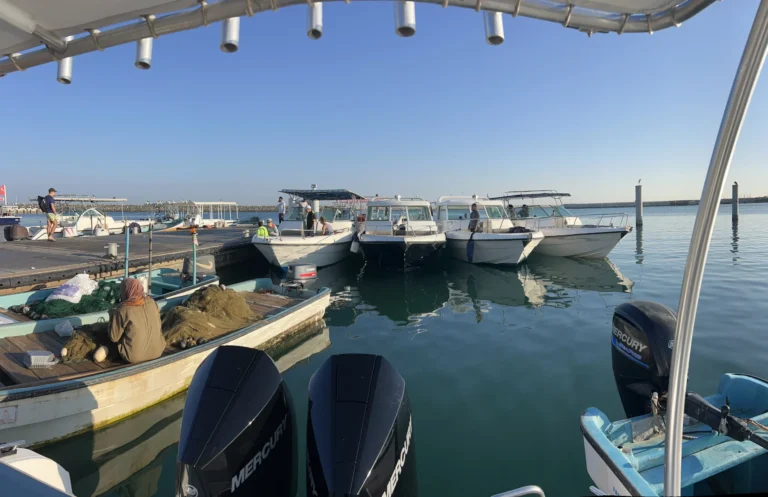
Located about 16–18 kilometers off the coast, about 25–30 minutes by boat from Seeb Marina in Muscat, this protected nature reserve consists of nine uninhabited islands surrounded by some of the most biodiverse coral reefs in the Arabian Sea. The Omani government designated the islands as a nature reserve in 1996, and the result is an underwater ecosystem that’s thriving, largely untouched, and genuinely extraordinary.
What makes the Daymaniyat Islands special:
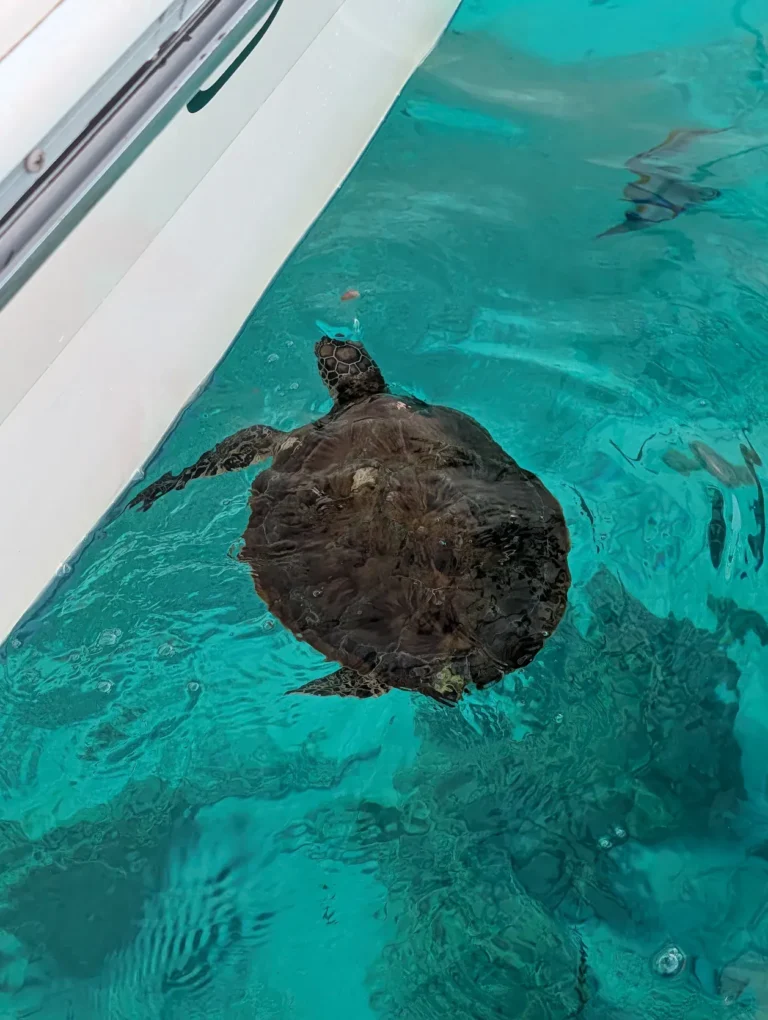
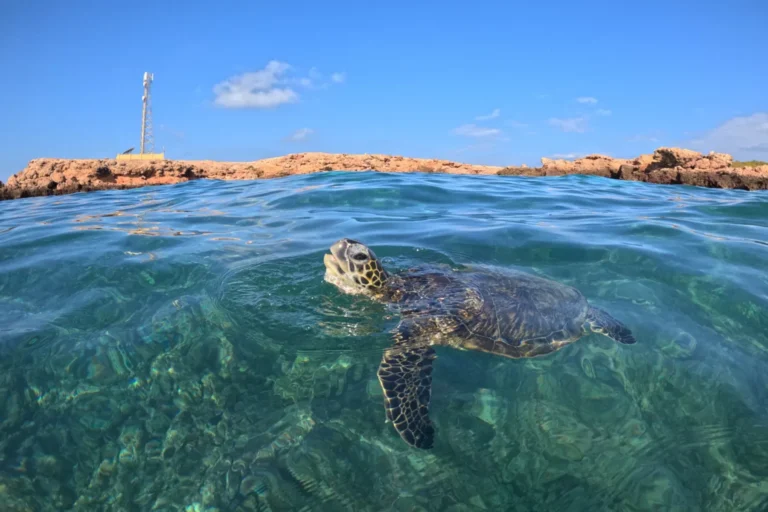
- Green and hawksbill sea turtles nest here from May to October, and you can snorkel alongside them year-round
- Over 200 species of fish live in the reef systems surrounding the islands
- Whale sharks make seasonal appearances between late summer and autumn
- The coral coverage is dense, colorful, and largely undamaged compared to many overexposed reef systems worldwide
- Reserve permits are needed; on shared trips they are included in the price
For travelers who love nature, value privacy, and want their money to go toward the experience rather than a brand name, Daymaniyat delivers.
Why Visit the Maldives?
The Maldives doesn’t need much of an introduction. The name alone conjures images that have defined luxury travel for decades: overwater bungalows stretching over impossibly blue lagoons, breakfast served on a floating platform, and diving into a warm ocean full of manta rays.
The Maldives sits at the top of nearly every “bucket list destination” ranking, and for good reason. The country is made up of 26 natural atolls with more than 1,000 coral islands spread across the central Indian Ocean. Marine biodiversity here is staggering — the Maldives is home to over 1,100 species of fish, more than 200 species of coral, and five species of marine turtles.
What makes the Maldives irreplaceable:
- Consistent year-round warm water temperatures (27–30°C)
- Some of the clearest water visibility on Earth (often 30+ meters)
- World-class dive sites including thilas (pinnacles), channels, and outer reefs
- Encounters with whale sharks at South Ari Atoll are very common during peak season
- Manta ray cleaning stations in Hanifaru Bay (a UNESCO Biosphere Reserve)
It’s not just a destination. For many travelers, the Maldives is a once-in-a-lifetime experience.
Snorkeling Comparison: Where the Real Magic Happens
Daymaniyat Islands Snorkeling
The snorkeling at Daymaniyat is genuinely world-class for the Arabian Peninsula — a region not typically associated with tropical reef systems.
The reefs are shallow enough for beginners (some spots as shallow as 3–5 meters) yet rich enough to keep experienced snorkelers engaged for hours. The star attraction? Sea turtles. Unlike many destinations where turtle sightings are rare or staged, here you’ll often encounter multiple turtles on a single snorkeling session, grazing on seagrass or resting on coral heads.
What you’ll see snorkeling at Daymaniyat:
- Green and hawksbill sea turtles
- Reef sharks (blacktip and whitetip)
- Schools of barracuda, snapper, and grouper
- Lion fish, nudibranch, and octopus
- Seasonal whale shark sightings
- Brain coral and staghorn coral formations
Water visibility usually runs between 10–20 meters, which is excellent for Arabian Sea standards.
Maldives Snorkeling
The Maldives operates on a completely different level of scale and diversity. Every resort sits within its own lagoon or house reef, and many of these reefs can be accessed directly from the beach without even taking a boat.
The fish life is extraordinary: Napoleon wrasse, eagle rays, reef sharks, and parrotfish in sizes you won’t find elsewhere. Night snorkeling in the Maldives is also an experience unto itself. Bioluminescent plankton lighting up the water around you is a memory that doesn’t fade.
What you’ll see snorkeling in the Maldives:
- Manta rays (seasonal, Hanifaru Bay)
- Whale sharks (South Ari Atoll)
- Hawksbill and green sea turtles
- Napoleon wrasse and humphead parrotfish
- Moray eels and various ray species
- Vibrant coral gardens with hundreds of fish species
Verdict on snorkeling: The Maldives edges ahead on sheer volume and diversity of marine life. But for sea turtle encounters specifically, Daymaniyat holds its own remarkably well and costs a fraction of the price to access.
Beaches: Sand, Solitude, and Scenery
Daymaniyat Beaches
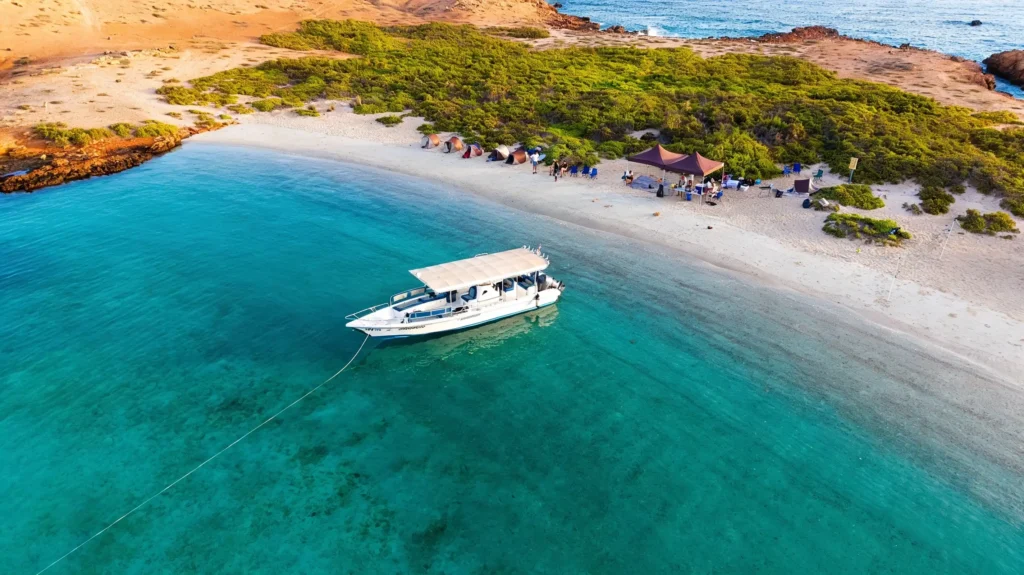
The Daymaniyat Islands are uninhabited and undeveloped. There are no beach bars, no sunbed attendants, and no WiFi. What you get instead is raw, untouched coastline, white sand beaches backed by low scrub vegetation, framed by the deep blue of the Arabian Sea.
Since visitor numbers are regulated by the nature reserve authority, you’ll rarely share a beach with more than a handful of other snorkelers. That kind of solitude is increasingly rare.
The downside: there are no shops or restaurants. Bring your own sunscreen; trip boats carry water, snacks, shade and a toilet. Boats typically stay anchored offshore and return at a set time. Most visits are day trips, but from November to April you can camp overnight on the islands.
Maldives Beaches
Maldivian beaches are the stuff of fantasy. The sand is powdery, almost talcum-like, bleached so white it reflects sunlight. The water at the shoreline transitions from transparent to brilliant turquoise to deep navy blue in the span of a few meters.
Resort beaches are meticulously maintained, lined with sun loungers, and backed by lush tropical vegetation. The more budget-friendly guesthouses on local islands like Maafushi or Dhigurah offer excellent beaches without the resort price tag, and the sand quality is genuinely the same.
Verdict on beaches: Both destinations offer beautiful, clean beaches. Daymaniyat wins on solitude and raw natural beauty. The Maldives wins on aesthetic perfection and amenities.
Best Time to Visit
Daymaniyat Islands
- Peak season: October to April (calm seas, excellent visibility)
- Turtle nesting season: May to October (avoid snorkeling near nesting areas during this period)
- Avoid: June to September for beach time (landing closed; boat trips still run)
Maldives
- Dry season (best): November to April (northeast monsoon brings calm, clear conditions)
- Shoulder season: May and October (good deals, occasional rain)
- Wet season: May to October (southwest monsoon, rougher conditions, but great for surfing and budget travel)
How to Get There
Getting to Daymaniyat Islands
- Fly to Muscat International Airport (well-connected globally)
- Drive or taxi to Seeb Marina in Muscat (free public parking)
- Book a boat charter from Seeb Marina in Muscat — half-day and full-day trips available (30–60 OMR per adult plus 5% VAT)
Day trips from Seeb Marina include snorkeling gear, snacks and drinks; hotel transport can be arranged for an extra fee.
Getting to the Maldives
- Fly to Velana International Airport in Malé (hub for most international flights)
- From Malé, reach your resort by:
- Speedboat (20–45 minutes, most common for nearby resorts)
- Domestic flight (15–45 minutes, for atolls further away)
- Seaplane (15–40 minutes, iconic experience, expensive at $300–$500 round-trip)
Budget tip: Guesthouses on local islands like Maafushi, Thulusdhoo, or Fulidhoo are reachable by public ferry from Malé for under $5.
Accommodation Options
Where to Stay Near Daymaniyat Islands
The islands themselves have no accommodation; this is a day-trip destination. But Muscat and the surrounding coastal area offer excellent options:
- Luxury: The Chedi Muscat, Shangri-La Al Husn (~$300–$600/night)
- Mid-range: hotels in Al Seeb, close to Seeb Marina (~$80–$150/night)
- Budget: Hostels and guesthouses in Muscat (~$20–$50/night)
Where to Stay in the Maldives
The Maldives caters to every budget, though “budget” here is relative:
- Luxury resorts: Soneva Fushi, Six Senses Laamu, Gili Lankanfushi (~$700–$2,500/night)
- Mid-range: Centara Ras Fushi, Holiday Inn Kandooma (~$200–$400/night)
- Budget guesthouses: Maafushi, Dhigurah, Thulusdhoo (~$60–$150/night)
Food & Local Cuisine
Dining Near Daymaniyat
Omani cuisine is underrated. Around the Al Sawadi and Muscat area, you’ll find:
- Shuwa — slow-cooked lamb wrapped in banana leaves
- Mashuai — kingfish served with lemon rice
- Fresh grilled seafood at coastal restaurants
- Halwa and kahwa (Omani sweets with cardamom coffee) for dessert
Budget meals run $5–$15. Restaurant dining in Muscat $15–$40.
Dining in the Maldives
Resort dining is expensive ($50–$200 per meal). But local island guesthouses offer surprisingly good food:
- Mas huni — tuna, coconut, onion breakfast dish eaten with flatbread
- Garudhiya — fragrant fish broth
- Fresh tuna dishes in countless forms
- Coconut-based curries with rice
Local island dining costs $5–$20 per meal, perfectly affordable.
Travel Costs & Budget Breakdown
Daymaniyat Islands Budget
|
Expense |
Estimated Cost (Per Person/Day) |
|
Accommodation (mid-range) |
$80–$120 |
|
Boat trip to the islands |
$40–$80 |
|
Meals |
$20–$40 |
|
Transport |
$15–$30 |
|
Snorkeling gear rental |
$10–$20 |
|
Total Daily |
$165–$290 |
Or, traveling on a tight budget from Muscat with hostel accommodation and a shared boat: $60–$100/day.
Maldives Budget
|
Expense |
Estimated Cost (Per Person/Day) |
|
Accommodation (resort) |
$300–$800+ |
|
Accommodation (guesthouse) |
$70–$150 |
|
Meals (resort) |
$80–$150 |
|
Meals (local island) |
$20–$40 |
|
Snorkeling excursion |
$30–$70 |
|
Inter-island transport |
$10–$500 (ferry vs seaplane) |
|
Total (Resort) |
$500–$1,500+ |
|
Total (Budget/Guesthouse) |
$120–$280 |
Safety Tips
Daymaniyat Islands Safety
- Always use a registered, licensed boat operator — confirm they carry life jackets and first aid
- Check sea conditions before departure; Arabian Sea can turn rough quickly
- Apply reef-safe sunscreen only — regular chemical sunscreens can harm coral
- Do not touch, feed, or disturb sea turtles — it’s illegal and harmful
- Bring your own water — dehydration risk is high in Oman’s heat
Maldives Safety
- Swim only in designated safe zones — currents between islands can be dangerously strong
- Use reef-safe sunscreen — most resorts now enforce this
- Respect alcohol regulations on local islands — drinking is only permitted at resorts
- Purchase travel insurance with medical evacuation coverage — hospital facilities outside Malé are limited
- Register with your country’s embassy for extended stays
Sample 5-Day Itinerary
Option A: Daymaniyat Islands & Muscat (5 Days)
Day 1: Arrive Muscat, explore Mutrah Souq, dinner at a local seafood restaurant
Day 2: Full-day Daymaniyat Islands boat trip, snorkeling, swimming, beach time
Day 3: Visit Sultan Qaboos Grand Mosque, Royal Opera House, Old Muscat
Day 4: Second Daymaniyat trip or explore Bimmah Sinkhole + Wadi Shab
Day 5: Relax at Al Sawadi Beach, depart
Option B: Maldives Guesthouse Island Hopping (5 Days)
Day 1: Fly to Malé, ferry to Maafushi (2 hrs), settle in, sunset swim
Day 2: Shark Point snorkeling, sandbank excursion, local restaurant dinner
Day 3: Day trip to Guraidhoo, snorkel with rays, return to Maafushi
Day 4: Move to Dhigurah by ferry, famous for whale shark snorkeling
Day 5: Morning whale shark excursion, afternoon beach, depart
Local Culture & Etiquette
In Oman (Daymaniyat)
- Dress modestly when not on the beach, shoulders and knees covered in public areas
- Oman is a Muslim country; public displays of affection are frowned upon
- Ramadan travel requires sensitivity; eating/drinking in public during fasting hours is inappropriate
- Always greet with a smile and “Marhaba” or “As-salamu alaykum.”
- Photography of local people requires consent; military sites are strictly off-limits
In Maldives
- Local islands follow Islamic custom swimwear only on resort beaches, not local island beaches
- Alcohol is only available at resorts; possession on local islands can lead to serious legal trouble
- Friday is the holy day; some services close midday
- Remove shoes before entering mosques and many guesthouses
Hidden Gems
Daymaniyat’s Secret
Night snorkeling with bioluminescence, few people know this, but on some winter nights the water around the Daymaniyat Islands glows with bioluminescent plankton. The sight of glowing blue water around you as you swim is otherworldly. Our overnight camping trip (November to April) gives you a chance to see it.
Also worth knowing: Turtle nesting walks are run at Ras Al Jinz, near Sur, not on the Daymaniyat Islands, whose beaches are closed to visitors from May to October while turtles nest. Watching a turtle come ashore at night is something that changes your relationship with the ocean.
Maldives’ Secret
Fulidhoo Island a local island in Vaavu Atoll that sees a tiny fraction of tourist traffic despite having stunning beaches and excellent snorkeling. The community is welcoming, accommodation is cheap, and the house reef is remarkable. No party scene. No Instagram crowds. Just the ocean.
Frequently Asked Questions
Is Daymaniyat better than the Maldives for snorkeling?
Daymaniyat offers excellent snorkeling, particularly for sea turtle encounters, and is far less crowded. However, the Maldives surpasses it in total marine biodiversity, visibility, and the sheer variety of snorkeling experiences available. For budget travelers or those prioritizing sea turtles, Daymaniyat is outstanding. For world-class reef diversity and marine megafauna like manta rays, the Maldives leads.
How much does a Daymaniyat Islands snorkeling trip cost?
A half-day shared boat trip from Seeb Marina costs 30 OMR per adult plus 5% VAT. A private boat starts at 230 OMR for up to 8 people, plus permits and VAT. Snorkeling gear and life jackets are included. Overall, it’s good value.
Can beginners snorkel at Daymaniyat Islands?
Absolutely. Several snorkeling spots around Daymaniyat have shallow, calm water ideal for beginners. The visibility is good, the marine life is abundant even in shallow areas, and boat operators typically provide briefings and assistance for first-timers.
Is the Maldives worth the expense?
For travelers prioritizing luxury, underwater photography, diving, or a honeymoon experience, yes the Maldives is worth every dollar. Budget travelers can also enjoy the Maldives meaningfully by staying at local island guesthouses, significantly reducing costs while still accessing excellent snorkeling.
Do I need a visa for Oman or the Maldives?
Oman offers an e-visa system that most nationalities can apply for online. The process is straightforward and takes 24–72 hours. The Maldives offers free visa-on-arrival for all nationalities, valid for 30 days. Neither destination requires complicated visa processes.
Conclusion
There isn’t a wrong answer here, but there is a right one for you.
If you’re drawn to the idea of floating above a coral reef, watching a sea turtle glide past with complete indifference to your existence, spending a quiet afternoon on a deserted beach with nothing but ocean sounds around you, and doing all of it without maxing out a credit card, Daymaniyat Islands is waiting for you, and it’s better than you imagine.
If you’ve been dreaming of waking up above the ocean in a glass-floor bungalow, watching manta rays circle beneath you at breakfast, and experiencing an underwater world so rich it feels fictional, the Maldives is worth saving for, and it will deliver.
The smartest travelers? They do both. Daymaniyat on one trip, Maldives on another, and they never stop being grateful that the Indian Ocean and Arabian Sea each have something genuinely irreplaceable to offer.
Ready to start planning? Whether you’re booking a boat trip from Muscat or researching guesthouses in Maafushi, the best day to begin is today.