Oman doesn’t get the same Instagram buzz as the Maldives or Thailand, and honestly? That’s its greatest asset underwater.
While the rest of the diving world crowds around overexposed reefs, Oman’s Arabian Sea coastline quietly harbors some of the most pristine, biodiverse, and flat-out stunning dive sites in the entire Indian Ocean region. Hawksbill turtles, whale sharks, hammerheads, nudibranch colonies, and coral walls that drop into a deep, indigo nothing, all of this is waiting, largely unhurried and uncrowded.
I’ve been diving Oman’s coast for several years now, from the rocky outcrops near Muscat to the remote sites off Dhofar in the south. The range is extraordinary. You can ease a first-timer into warm, crystal-clear shallows at a sheltered bay in the morning and be hovering over a dramatic current-swept wall with experienced divers by afternoon.
This guide ranks the best dive sites in Oman from beginner-friendly all the way to advanced, with the Daymaniyat Islands Nature Reserve holding the top spot, and once you understand what’s down there, you’ll know exactly why.
Quick Overview: Oman Diving at a Glance
- Best overall dive destination: Daymaniyat Islands (Nature Reserve, protected)
- Water temperature: 22–30°C depending on season and location
- Visibility: 10–30 metres on good days, occasionally more
- Best diving season: October to May
- Diving certification required: Yes, open water minimum for most sites
- Nearest international airport: Muscat International (MCT)
- Dive operators: Widely available in Muscat, Musandam, and Salalah
Why Oman Deserves a Spot on Every Diver’s Bucket List
Most people picture Oman as a desert kingdom — dunes, wadis, ancient forts. All true. But the country shares a coastline with the Gulf of Oman, the Arabian Sea, and, via the Musandam Peninsula, the Strait of Hormuz. Each body of water brings a different character underwater.
The government has invested significantly in marine conservation. The Daymaniyat Islands were declared a nature reserve in 1996. Fishing restrictions, diving regulations, and limited tourist infrastructure have kept sites in genuinely excellent condition. That’s increasingly rare in this part of the world.
Add in warm water most of the year, short travel times from Muscat to most major sites, and a growing number of competent dive operators, and Oman starts to look like one of the best-value diving destinations anywhere in the Middle East and beyond.
The Best Dive Sites in Oman: Full Ranked List
Beginner-Friendly Sites
1. Bandar Khayran (Muscat Coast)
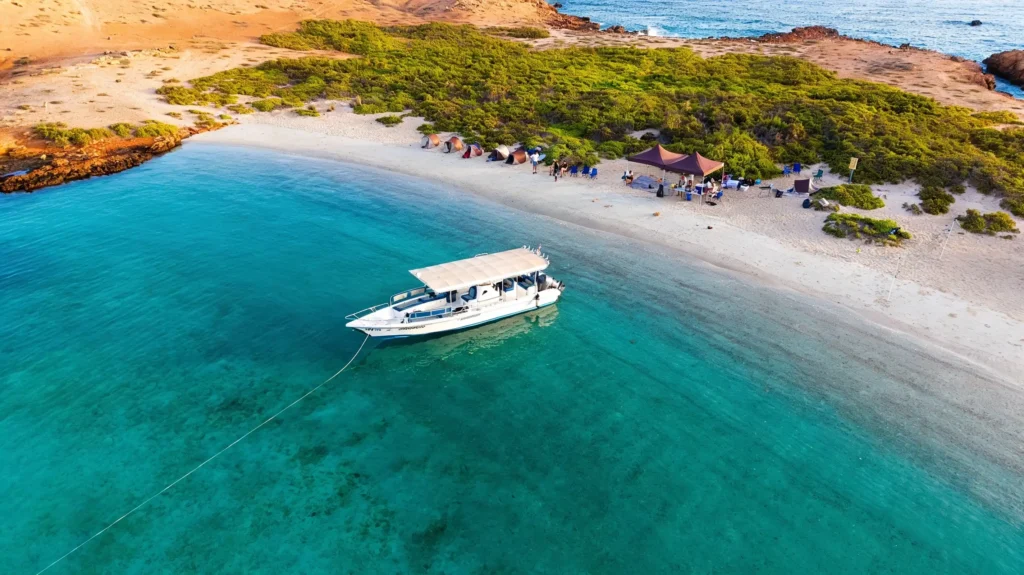
If someone is doing their first-ever ocean dive after completing a pool course, Bandar Khayran is where I’d take them. It’s a sheltered bay about 45 minutes from central Muscat, with calm water, excellent visibility, and a sandy bottom that gives nervous divers something reassuring to look at.
Depths here range from 5 to 15 metres across most recreational areas. You’ll find soft corals, moray eels tucked into rock crevices, shoals of glassfish, and the occasional ray gliding along the seafloor. Nothing is trying to eat you. Everything is photogenic.
The site is also ideal for snorkellers, making it easy for families with mixed skill levels to visit together. Several Muscat-based operators run day trips here regularly.
Best for: First open water dives, snorkelling, underwater photography beginners Depth range: 5–15 metres Visibility: Up to 20 metres
2. Al Fahal Island
Just 30 minutes by boat from Muscat’s Qantab harbour, Al Fahal is a small, rocky island with a dive profile that suits beginners while still offering enough variety to keep intermediate divers happy.
The eastern side is calmer and shallower, ideal for first dives or check dives. The western side drops a bit more steeply and sees stronger currents at certain times; this is where beginners should stick with a guide.
Highlight sightings include lionfish (keep your distance), pufferfish, and big schools of fusiliers. Turtles are spotted here regularly enough that you start to feel almost entitled to one by mid-dive, and then one appears, and you’re immediately humbled again.
Best for: Beginners with a guide, intermediate divers solo. Depth range: 8–22 metres
Intermediate Sites
3. Qantab Wall
Qantab isn’t just a launch point for boats to Al Fahal; the dive site right at Qantab itself is worth exploring. There’s a wall section that drops from about 6 metres to 20+, draped in sea fans and soft corals.
Currents can appear here depending on the tide and time of year, which is why this earns intermediate rather than beginner status. But if you have 20+ dives under your belt and feel comfortable in mild current, this is an excellent site. Macro life is genuinely exceptional — nudibranchs, tiny gobies, and cleaner shrimp all make this a favourite for divers who like slow, attentive diving over fast flyover dives.
Best for: Macro photography, intermediate divers comfortable with mild current. Depth range: 6–22 metres
4. Musandam Peninsula, Ras Marovi and Ras Lima
The Musandam Peninsula is technically an Omani exclave separated from the rest of Oman by UAE territory, and getting there from Muscat requires either a flight or a drive through the UAE. The logistical extra effort is absolutely worth it.
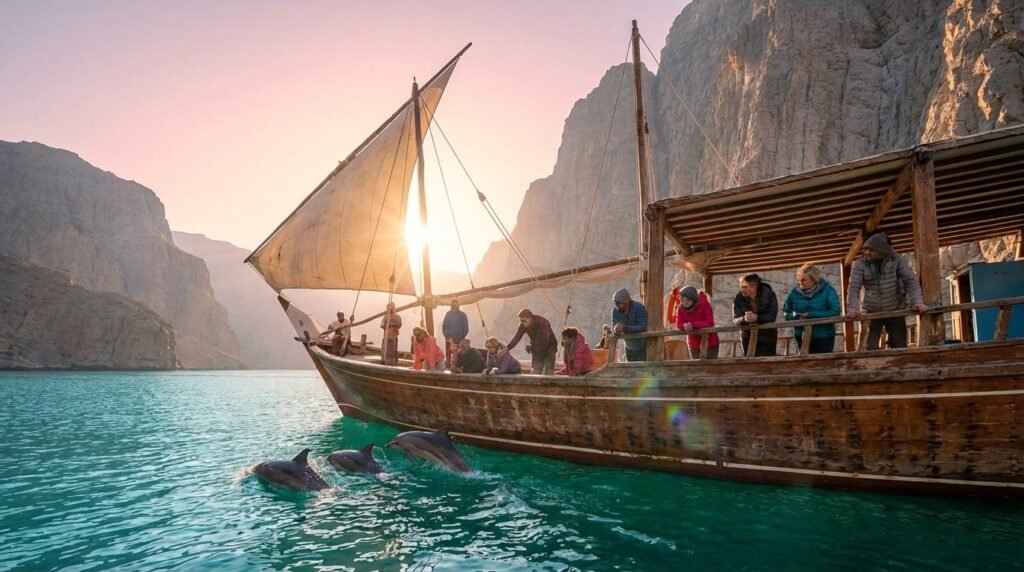
The fjord landscape above the surface is unlike anything else in the Arabian Peninsula. Below it, the diving is equally dramatic. Rocky walls, strong currents at certain sites, and big pelagic fish make this a genuinely exciting destination. Dolphins are practically guaranteed on the boat ride out. Whale sharks cruise through seasonally.
Ras Marovi and Ras Lima are two of the more accessible intermediate sites in the area, offering good coral coverage and reliable fish life without the ferocious currents that characterise some of the advanced spots further into the fjords.
Khasab is the main town in Musandam and the base for most dive operations.
Best for: Intermediate divers seeking dramatic scenery and pelagic life. Depth range: 10–30 metres
5. Mirbat (Salalah Region)
The south of Oman is a different world, climatically and culturally. Salalah turns green during the monsoon (khareef) season from June to September, drawing Omanis and visitors from across the Gulf for the cool, misty atmosphere.
Outside of monsoon season, the waters around Mirbat near Salalah offer some of Oman’s most interesting intermediate diving. Hammerhead sharks are the draw; they congregate here in impressive numbers, particularly from October through December. The dive sites aren’t technically demanding in terms of depth, but currents can be unpredictable, and the shark encounters require divers who are calm and controlled underwater.
Best for: Shark encounters, experienced intermediate divers. Depth range: 12–25 metres Star sighting: Scalloped hammerhead sharks
Advanced Sites
6. Musandam Deep Walls
For divers with significant experience and a comfort level with strong currents and deep profiles, the deep wall dives in Musandam’s inner fjords are extraordinary. Some drops go beyond recreational limits, and conditions change quickly.
What you get in return: schooling fish in massive numbers, oceanic white-tip sharks, and the eerie sensation of hanging at depth over an infinite blue drop. It’s not for the faint-hearted. Dive with a local operator who knows the tides.
Best for: Advanced divers, deep diving experience required. Depth range: 20–40+ metres
7. Hallaniyat Islands (Dhofar)
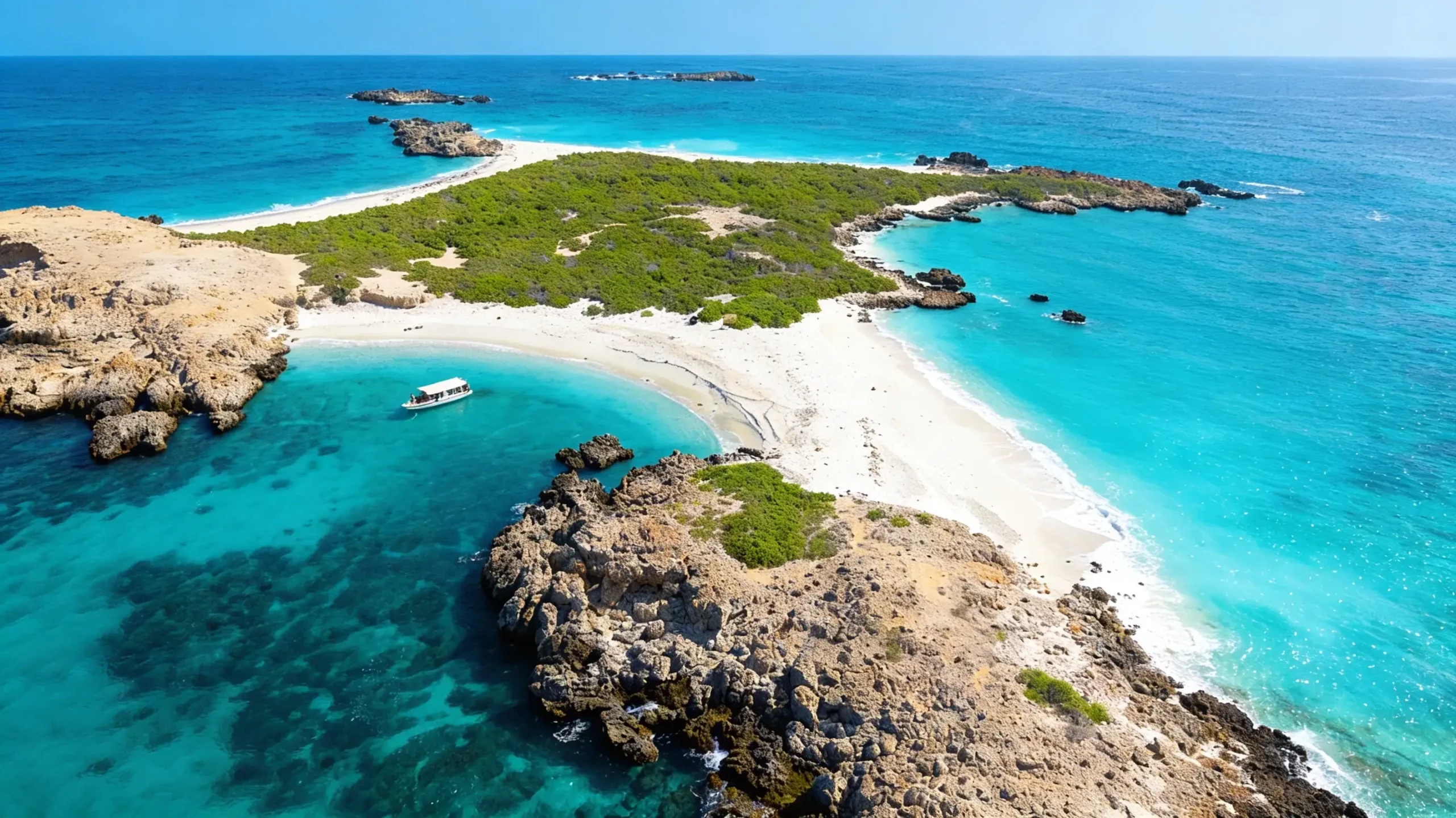
Remote, rarely visited, and spectacular. The Hallaniyat Islands (also known as Kuria Muria Islands) sit off the Dhofar coast and are accessible from Salalah by boat, a commitment of several hours. That distance keeps the crowds away.
The diving here is big ocean stuff. Strong currents, significant swells at certain times of year, and a marine life checklist that reads like a greatest hits of the Indian Ocean whale sharks, manta rays, giant trevally, barracuda, and diverse reef systems in genuinely pristine condition.
Liveaboard trips are the most practical way to dive here. Day trips exist but are physically demanding given the sea conditions and distances involved.
Best for: Experienced advanced divers, liveaboard diving Depth range: 15–40 metres
#1 Best Dive Site in Oman: Daymaniyat Islands Nature Reserve
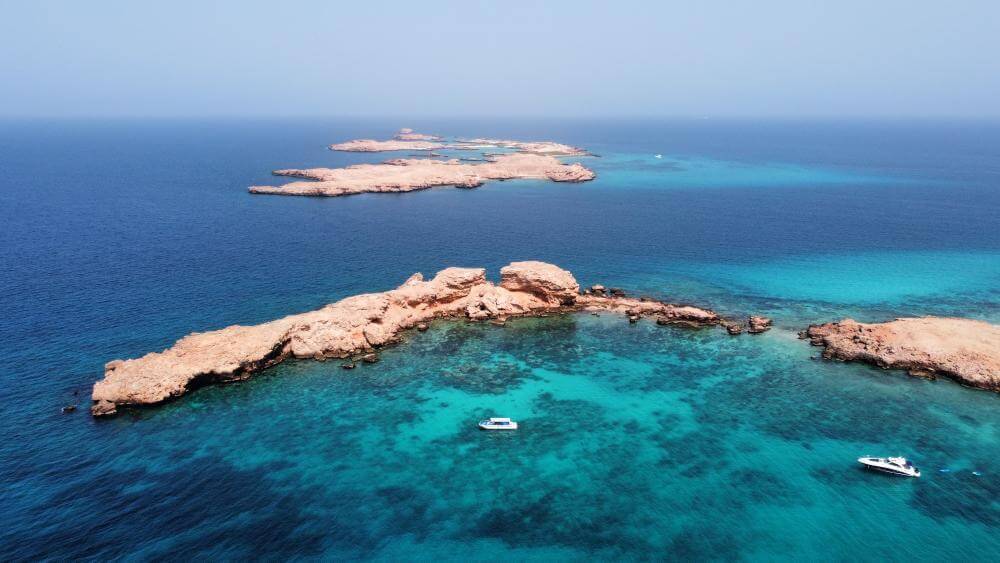
No other site in Oman approaches the combination of accessibility, marine biodiversity, visibility, and sheer underwater beauty that the Daymaniyat Islands offer. Nine small rocky islands sit in the Gulf of Oman, about 18 kilometres offshore from As Seeb near Muscat, protected by law since 1996.
The conservation status is everything here. No fishing, heavily regulated diving, and minimal tourist infrastructure mean the reef systems have had decades to recover and flourish. What you find is a reef that feels genuinely healthy — dense coral coverage, fish populations that haven’t been depleted, and a food chain that’s functioning as it should.
Visibility regularly hits 20–25 metres. Water temperature stays comfortable year-round. Multiple dive sites around the islands cater to different skill levels, which makes it technically accessible to intermediate divers onward (some beginner-friendly spots exist, but currents around certain sections require experience).
What You’ll See at Daymaniyat
Green and hawksbill turtles are practically resident encounters and are almost guaranteed. During the nesting season (May to September), female turtles come ashore on the islands to lay eggs, and the protected status means they do so undisturbed.
Whale sharks pass through seasonally, particularly from October to March. Schools of barracuda hang in the water column. Rays, eagle rays, and occasional mantas cruise the reef edges. Reef sharks are seen regularly at some sites.
The coral itself deserves attention. Hard coral formations in excellent condition, sea fans, and soft corals provide habitat for enormous numbers of reef fish. It’s not a monoculture — the diversity across different sections of the islands is impressive.
Key Sites Within the Daymaniyat Reserve
Island 5 (Jazeerat Al Khayl): Popular starting point, accessible to most divers, excellent turtle sightings. Island 6: Slightly deeper profile, stronger current potential, more pelagic life. The Pinnacles: For experienced divers, dramatic underwater formations with big fish congregations. North Wall: Advanced dive, stronger currents, but exceptional coral wall diving
Practical Daymaniyat Info
- Getting there: Day trips from Muscat (As Seeb/Barka), approximately 45–60 minutes by speedboat
- Best season: October to May; the reserve sometimes closes from June to September for turtle nesting
- Operators: Multiple Muscat-based operators run regular Daymaniyat trips
- Cost: OMR 25–40 (approximately $65–105) per person for a two-tank day trip including equipment
Oman Diving Comparison Table
|
Site |
Level |
Depth |
Key Wildlife |
Accessibility |
|
Daymaniyat Islands |
Inter–Advanced |
5–30m |
Turtles, whale sharks, reef fish |
High (day trips) |
|
Bandar Khayran |
Beginner |
5–15m |
Rays, eels, shoals |
High (Muscat) |
|
Al Fahal Island |
Beginner–Inter |
8–22m |
Turtles, lionfish |
High (Muscat) |
|
Musandam Walls |
Advanced |
20–40m+ |
Pelagics, sharks |
Medium (exclave) |
|
Mirbat, Salalah |
Intermediate |
12–25m |
Hammerheads |
Medium (flight) |
|
Hallaniyat Islands |
Advanced |
15–40m |
Mantas, whale sharks |
Low (liveaboard) |
Best Time to Visit for Diving
October through May is the prime diving window across most of Oman. Water temperatures are comfortable (24–28°C), visibility is at its best, and sea conditions are generally cooperative.
June through September brings the monsoon (khareef) season to the south, making Dhofar waters rough and visibility poor. The Daymaniyat Islands close partially during nesting season. Musandam and the Muscat coast remain diveable, but you can see reduced visibility and choppy conditions.
For whale sharks specifically, October to March is peak season around Daymaniyat and southern sites.
How to Get to Oman
Muscat International Airport (MCT) connects directly to most major international hubs, Dubai, Abu Dhabi, Doha, London, Frankfurt, and across Asia. Oman Air is the national carrier. Visa on arrival is available for many nationalities; check current requirements before travel.
For Musandam, most visitors fly into Dubai and cross overland through the UAE; the border crossing at Tibet is straightforward and typically takes 30–60 minutes.
For Salalah, domestic flights from Muscat take about an hour. Oman Air runs multiple daily connections.
Accommodation Options
Budget: Guesthouses and budget hotels in Muscat from OMR 15–25/night. Areas like Ruwi and Qurm have affordable options.
Mid-range: Muscat has excellent mid-range hotels at OMR 35–70/night. Some dive operators have partner accommodations or can recommend options near departure points.
Luxury: Muscat has world-class luxury hotels (Alila Jabal Akhdar, The Chedi, Park Hyatt) if you want to treat yourself between dives.
For Musandam (Khasab), options are more limited; a handful of mid-range hotels and guesthouses serve the diving crowd well enough.
Travel Costs and Budget Tips
Oman is not a budget destination by regional standards, but it’s far from extravagant compared to somewhere like the Maldives.
- Two-tank dive day trip: OMR 25–40 ($65–105)
- Equipment rental: OMR 5–10/day ($13–26)
- Meals: OMR 3–8 at local restaurants, OMR 10–25 at tourist restaurants
- Transport: Rental cars are practical; public transport is limited outside Muscat
- Accommodation: Budget OMR 15–25, mid-range OMR 35–70, luxury OMR 100+
Total daily budget for a diver including two dives, accommodation, food, and local transport: OMR 50–90 ($130–235) at mid-range.
Safety Tips
- Always dive with a reputable, licensed operator
- Check dive operator certification and equipment condition before committing
- Current awareness is critical at many Oman sites. Always get a briefing
- Sun protection is essential; UV intensity is high even on overcast days
- Dehydration risk is significant; drink water consistently
- Travel insurance covering diving (including decompression illness) is non-negotiable
- Nearest hyperbaric chamber to Muscat: Ibn Sina Hospital has a recompression facility
Sample 5-Day Oman Dive Itinerary
Day 1: Arrive Muscat, check in, equipment check at dive operator. Day 2: Daymaniyat Islands two-tank morning dive, afternoon explore Muscat. Day 3: Al Fahal or Bandar Khayran morning dives, afternoon Old Muscat and Mutrah Souq. Day 4: Daymaniyat Islands second visit targeting different sites, evening at Muttrah Corniche. Day 5: Depart or extend to Musandam if time allows
Local Culture and Etiquette
Oman is a conservative Muslim society. Modest dress is expected outside of the beach and dive areas, cover shoulders and knees in towns, souqs, and anywhere that isn’t the beach or a resort pool.
Diving areas and beach zones have relaxed dress standards, but changing from dive gear to regular clothes should be done discreetly.
Alcohol is available in licensed hotels and restaurants but is not widely accessible. Public drinking is illegal.
Respect for local customs around prayer times, Ramadan, and religious sites will be appreciated and will make your experience considerably smoother.
Hidden Gems
Qurayyat Coast: South of Muscat, less developed, local diving crowd, genuinely good coral in calm conditions. Rarely mentioned in tourist literature.
Turtle Beach at Ras Al Jinz: Not technically a dive site, but the turtle nesting beach here is extraordinary and pairs perfectly with a diving trip to Daymaniyat.
Shore diving at Yiti: A small bay community south of Muscat where you can do unguided shore dives at accessible depths, excellent for confident intermediate divers who want flexibility.
Frequently Asked Quetions
Do I need a dive certification to dive in Oman?
Yes. Open Water Diver certification minimum for guided recreational dives. Advanced Open Water is recommended for sites like Daymaniyat’s deeper areas and Musandam. Discover Scuba (intro dives with an instructor) is available at beginner sites.
When do the Daymaniyat Islands close?
The reserve sometimes restricts access June through September for turtle nesting season. Confirm current status with your dive operator before booking.
Are there whale sharks in Oman?
Yes. Whale sharks are seen regularly around Daymaniyat Islands and southern sites, particularly October through March.
Is Oman diving good for beginners?
Absolutely. Sites like Bandar Khayran and Al Fahal offer calm, warm, clear water with interesting marine life, ideal for newer divers.
Can I see turtles diving in Oman?
Almost certainly at Daymaniyat. Turtle encounters are among the most reliable in the region.
Conclusion
Oman is one of those destinations that rewards divers who do their research and make the trip while most of the world is still sleeping on it.
The Daymaniyat Islands aren’t just the best dive site in Oman; they represent exactly what marine protected areas can achieve when conservation is taken seriously. Healthy reefs, abundant marine life, reliable visibility, and the knowledge that what you’re seeing is genuinely sustainable. That’s increasingly rare anywhere in the world.
But Daymaniyat is just the headline. The Musandam Peninsula offers a completely different diving experience, dramatic, current-swept, and wild. The Dhofar coast down south adds hammerheads and remote island adventure for those willing to make the journey.
Whether you’re ticking off your first post-certification ocean dives or hunting advanced sites that push your skills, Oman has more than enough to justify making it your next diving destination.
Book your Daymaniyat day trip first. Then start planning your return to Musandam. That’s the sequence. I’ve never heard anyone complain about following it.
Planning a Daymaniyat Islands trip?
Browse our current snorkelling, diving and private boat trips, or message our team if you have a question about your travel dates.