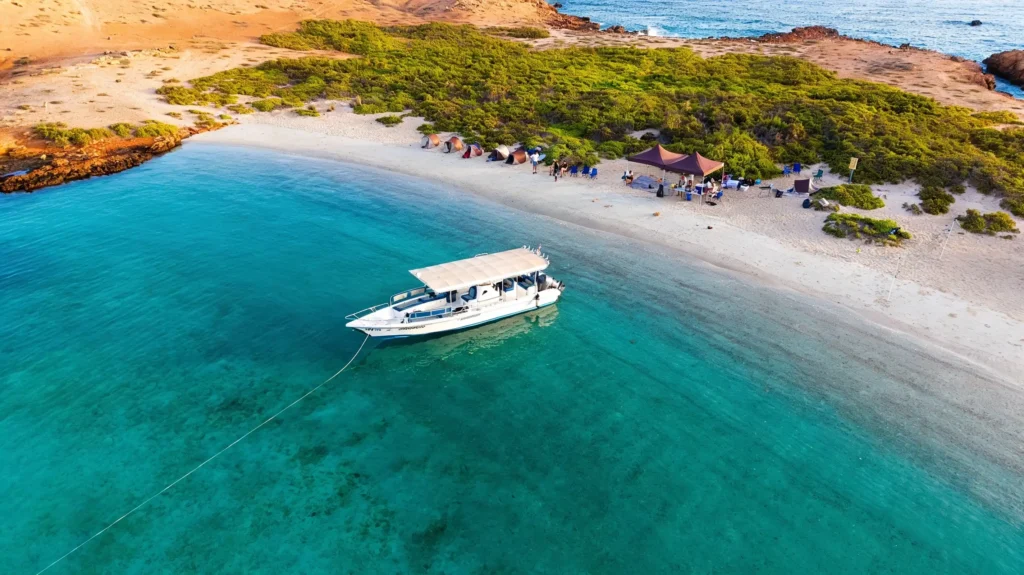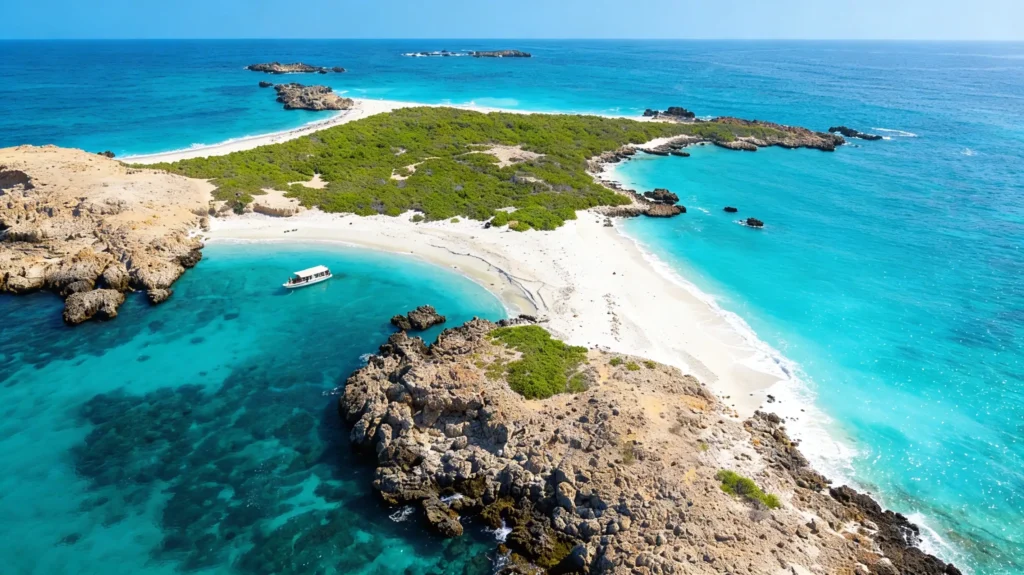
Tucked 30 kilometres off the coast of Al Sawadi, the Daymaniyat Islands are one of the Arabian Peninsula’s best-kept secrets and one of its most fiercely guarded natural treasures. Designated as a Nature Reserve by the Omani government, this chain of nine uninhabited islands is a living laboratory of marine conservation, where responsible eco-tourism and ocean protection go hand in hand.
If you’re planning a trip to Oman and you care about wildlife, coral reefs, and travelling with a conscience, the Daymaniyat Islands belong at the top of your list. This guide tells you everything you need to know, from the science behind the conservation to practical tips for booking your visit.
What Are the Daymaniyat Islands?
The Daymaniyat Islands (Arabic: جزر الديمانيات) form a protected archipelago spanning roughly 20 square kilometres in the Gulf of Oman. Established as a protected nature reserve in 1996 under Royal Decree, the islands fall under the management of Oman’s Ministry of Environment and Climate Affairs.
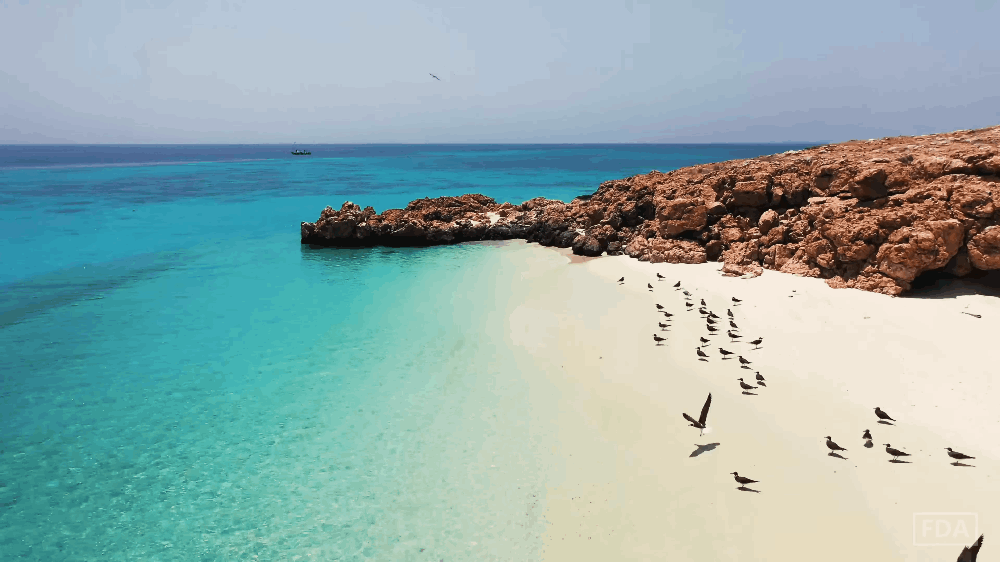
Unlike many tourist-heavy destinations in the region, these islands have never been developed for commercial use. There are no hotels, no restaurants, and no permanent infrastructure, just pristine shorelines, crystal-clear water, and some of the healthiest coral ecosystems in the Arabian Sea.
Key Facts at a Glance
- Location: 30 km offshore from Al Sawadi Beach, Al Batinah Governorate, Oman
- Protected Status: National Nature Reserve since 1996
- Marine Life: 200+ coral species, hawksbill and green turtles, whale sharks, dolphins, over 350 fish species
- Annual Visitors: Strictly capped to protect the ecosystem
- Access: Boat trips from Al Sawadi Beach or Barka (approx. 45–60 min journey)
The Marine Ecosystem: Why Daymaniyat Islands Matter
To understand why eco-tourism here is so important, you first need to appreciate what’s at stake. The Daymaniyat reef system is among the most biodiverse in Oman, and in a region where coral bleaching events are becoming more frequent due to rising sea temperatures, that matters enormously.
Coral Reefs
The islands are home to extensive coral gardens in both shallow and deep water zones. Hard corals like brain coral and staghorn coral dominate the shallows, while soft coral fans drape the deeper reef walls. Scientists from Sultan Qaboos University have documented over 200 coral species here, a remarkable figure for the Arabian Sea, which is generally considered a harsher environment for reef development than the Indo-Pacific.
What makes the Daymaniyat coral exceptional is its relative resilience. The cooler, nutrient-rich upwellings from the Arabian Sea provide some buffer against thermal stress, but that buffer isn’t unlimited. Anchor damage, physical contact from swimmers, and pollution from irresponsible tourism can undo decades of natural recovery in a single season.
Sea Turtle Nesting
From June to September, the beaches of the Daymaniyat Islands become critical nesting grounds for hawksbill turtles (Eretmochelys imbricata) and green turtles (Chelonia mydas), both globally threatened species. Oman is one of the largest nesting sites for hawksbill turtles in the Indian Ocean, and the Daymaniyat Islands contribute significantly to that population.
Rangers from the Ministry of Environment monitor nests nightly during nesting season, recording clutch sizes, incubation temperatures, and hatchling success rates. Some of this data feeds directly into international conservation databases managed by organisations like the IUCN Marine Turtle Specialist Group.
Fish and Pelagic Species
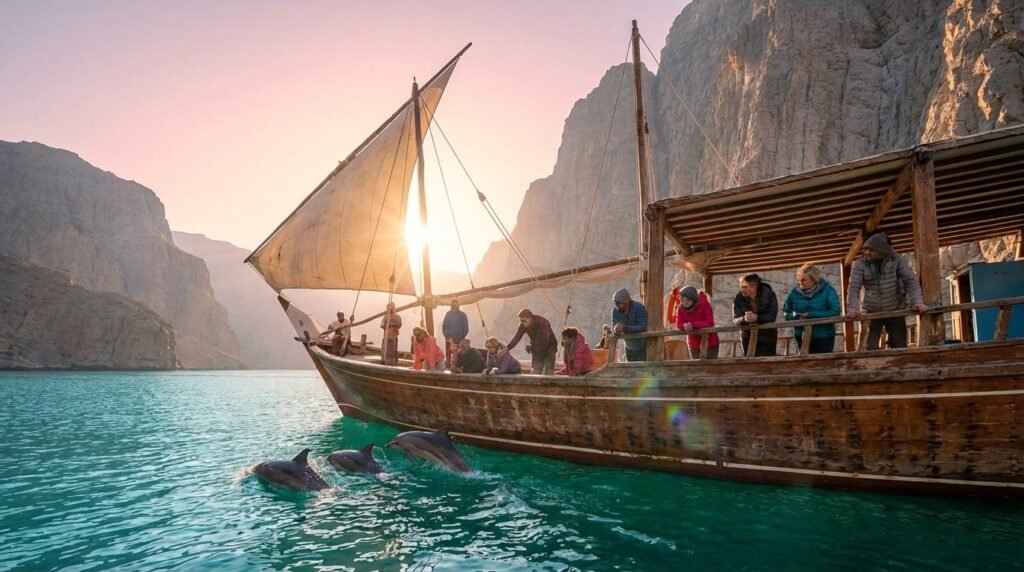
The reef fish diversity is extraordinary, with parrotfish, angelfish, moray eels, napoleon wrasse, and schools of fusiliers just the beginning. The deeper waters beyond the reef attract pelagic visitors, including whale sharks, hammerhead sharks, and multiple species of rays. Dolphin pods are frequently spotted on the boat journey to and from the islands.
How Eco-Tourism at Daymaniyat Islands Actually Protects the Ocean
There’s often a tension at the heart of conservation tourism: does bringing visitors to a fragile ecosystem help or harm it? At Daymaniyat Islands, the evidence leans decisively toward “help” but only because of a rigorously enforced eco-tourism framework.
1. Visitor Caps and Zoning
The reserve operates under a strict permit system. Visitor numbers are capped daily, and the islands are divided into zones, some accessible to snorkellers and divers, others reserved exclusively for nesting turtles and restricted to researchers and rangers. This zoning prevents the kind of overcrowding that has devastated reefs elsewhere in the region.
2. Revenue Funds Conservation
Permit fees and licensed tour operator revenue flow back into the reserve management fund. This money pays for ranger salaries, patrol boats, nest monitoring equipment, and marine clean-up operations. Without tourism income, the reserve would be far more dependent on government budget cycles, which, in any country, can be unpredictable.
In practical terms, every dive permit you purchase directly supports the patrol boats that intercept illegal fishing vessels and remove ghost nets from the reef.
3. Education and Awareness
Licensed eco-tour operators are required by permit conditions to provide pre-trip environmental briefings. Guides explain coral biology, explain why touching the reef kills polyps, and outline the legal penalties for disturbing turtle nests. Many visitors, particularly those from inland Gulf cities, have never seen a functioning reef before. The educational impact is genuinely transformative.
4. Community Stewardship
Local fishing communities from Al Sawadi and Barka have a generations-long relationship with these waters. The eco-tourism model integrates these communities as licensed boat operators and guides, giving them a direct financial stake in protecting the marine environment rather than exploiting it. When fishermen earn more from sustainably guiding tourists than from overfishing, conservation incentives align with livelihoods.
5. Scientific Data Collection
Tour operators and their guides contribute to citizen science programmes. Dive guides log species sightings, coral health observations, and unusual behaviour. This data supplements the work of academic researchers and gives conservationists a much richer picture of reef health than could be achieved with academic teams alone.
Eco-Tourism Activities: What You Can Do and Why It Helps
Not all activities at the reserve have equal conservation value. Here’s a breakdown of what’s available and how each contributes to ocean protection:
|
Activity |
Conservation Benefit |
Best Season |
Eco-Impact Level |
|
Snorkeling |
Coral reef monitoring, low disturbance |
Oct – Apr |
Very Low |
|
Scuba Diving |
Deep reef surveys, direct observation |
Nov – Mar |
Low (guided only) |
|
Turtle Watching |
Nesting data collection, nest protection |
Jun – Sep |
Minimal |
|
Bird Watching |
Seabird census support |
Year-round |
None |
|
Glass-Bottom Kayak |
Surface reef observation, no anchor |
Oct – May |
Very Low |
Guided snorkelling and scuba diving trips are the most popular options and carry the lowest ecological risk when properly managed. The key is always booking with a licensed operator, as unlicensed boats frequently ignore anchoring restrictions, doing enormous damage to reef structure.
Pros & Cons of Visiting Daymaniyat Islands
|
✅ Pros |
❌ Cons |
|
Rich marine biodiversity, over 200 coral species |
Limited visiting hours, reserve early, especially Jun–Sep |
|
One of the best turtle nesting sites in the Arabian Sea |
No on-island accommodation; day trips only |
|
Strict visitor limits protect fragile reef systems |
Boat crossings can be rough in summer swells |
|
Highly trained, certified eco-guides on every tour |
Strict no-feeding and no-touching rules (rightly so) |
|
Virtually no commercial development on the islands |
Entry permits are required, and visitor numbers are capped |
|
Easy day trip from Muscat (approx. 30 km offshore) |
A remote location means limited facilities on arrival |
Practical Travel Tips for Visiting Daymaniyat Islands
When to Go
The best time for diving and snorkelling is October through April, when water visibility can reach 20–25 metres and sea conditions are calm. If your primary goal is turtle watching, plan your trip between June and September, though be aware that summer swells can make the crossing uncomfortable.
How to Get There
- From Muscat: Drive approximately 90 minutes north on Highway 1 to the Al Sawadi Beach Resort area (near Barka). Most licensed operators depart from Al Sawadi Marina.
- By taxi or rental car: Ride-hailing apps cover the route from Muscat; alternatively, rent a car for flexibility.
- Boat transfer: Licensed operators run fiberglass speedboats. Journey time is 45–60 minutes, depending on sea conditions.
What to Pack
- Reef-safe, mineral-based sunscreen (oxybenzone-based creams are banned in many protected areas and for good reason)
- Lightweight rash guard or wetsuit top for sun protection
- Reusable water bottle: single-use plastics are strongly discouraged
- Underwater camera or GoPro (no flash photography near turtles at night)
- Motion sickness tablets if you’re prone to seasickness
- Valid identification for the permit registration process
Booking Your Trip
Always book through a Ministry-licensed eco-tour operator. Check that your operator has a valid Nature Reserve permit for the current season, uses mooring buoys (not anchors) at the reef, limits group sizes to 10–12 snorkellers, provides a pre-dive environmental briefing, and carries a marine first-aid kit on board.
Avoid any operator that advertises feeding fish or touching turtles. These practices are illegal, ecologically harmful, and a red flag for the overall quality of the operation.
Responsible Visitor Code
- Never touch coral, even a single brush kills the living polyps
- Do not feed fish, as it disrupts their natural foraging behaviour and creates dependency
- Stay at least 3 metres from turtles that approach from the side, never from above
- Take all rubbish back to the mainland
- Avoid standing on the reef in shallow areas
- Turn off underwater torches when near turtles at night
Frequently Asked Question
Can you swim at the Daymaniyat Islands?
Yes, swimming and snorkelling are permitted in designated zones. You must be accompanied by a licensed guide, and you’ll need to hold a valid day-permit. Independent swimming from unlicensed boats is prohibited and carries significant fines under Omani conservation law.
Is it possible to see turtles at the Daymaniyat Islands?
Absolutely. Hawksbill and green turtles nest on the islands from June to September, making summer the prime season for turtle sightings. During the rest of the year, you can still encounter turtles underwater while diving or snorkelling; they’re resident in the reef year-round.
How do I get a permit to visit the Daymaniyat Islands?
Permits are typically arranged by your licensed eco-tour operator as part of your booking. If you’re arriving independently by private boat, you must apply directly to the Ministry of Environment and Climate Affairs through their official channels. Permits must be obtained in advance; there’s no on-site issuance.
What is the best time of year to visit the Daymaniyat Islands?
October to April offers the best visibility (up to 25 metres), calmest seas, and most comfortable temperatures. June to September is best for turtle nesting observation, but the summer heat and rougher sea conditions make it less comfortable for extended water activities.
Are the Daymaniyat Islands safe to visit?
Yes, when visiting with a licensed operator. The islands are a protected reserve with active ranger presence. There are no dangerous land animals, and the marine environment is generally safe for swimmers and divers of all experience levels. Always check sea conditions before departure, particularly during the summer months.
Can beginners snorkel at the Daymaniyat Islands?
Yes. Many of the snorkelling sites are in shallow, calm bays ideal for beginners. Licensed operators provide buoyancy aids and snorkelling equipment, and guides are trained in water safety. Experienced swimmers will also find deeper sites and wall dives that rival some of the best in the Indian Ocean.
Final Verdict: Is a Visit to Daymaniyat Islands Worth It?
Without hesitation, yes. The Daymaniyat Islands offer something increasingly rare in the Gulf region: a genuinely wild marine experience in a carefully managed protected area, where the act of visiting actively contributes to conservation rather than undermining it.
This isn’t eco-tourism as a marketing label. It’s eco-tourism as a functioning conservation mechanism, backed by government policy, community involvement, and rigorous permit enforcement. The reef here is healthy. The turtles nest undisturbed. The fish are abundant. And it’s that way precisely because the right framework was put in place and tourists like you have chosen to respect it.
If you visit responsibly, with a licensed operator, you’ll come home with memories of underwater Oman that you’ll carry for a lifetime, and you’ll have played a small but meaningful role in ensuring those ecosystems survive for future generations.
Planning a Daymaniyat Islands trip?
Browse our current snorkelling, diving and private boat trips, or message our team if you have a question about your travel dates.